
In every culture, skin has always functioned as more than biological tissue. It operates as a living ledger, recording the silent negotiations between biology, status, and time. Within medical aesthetics, skin care is not a preliminary step but the foundational grammar through which all subsequent interventions derive their meaning. Professionals who master this grammar understand that every cleanser, serum, and laser protocol participates in a larger cultural code: the human desire to make the body legible as evidence of disciplined self-governance.
Modern dermatological science begins where ancient rituals left off. Cleansing and moisturizing, once dismissed as cosmetic routine, now reveal themselves as precise interventions in barrier homeostasis. The stratum corneum, that thin yet critical interface, functions like a cultural membrane—selectively permeable, constantly renegotiating what enters and what remains visible. When lipid bilayers degrade under pollution or glycation, the skin does not merely look dull; it loses its capacity to signal health. Advanced formulations containing ceramides, cholesterol, and fatty acids do not simply hydrate; they restore the skin’s ability to participate in the social semiotics of vitality.
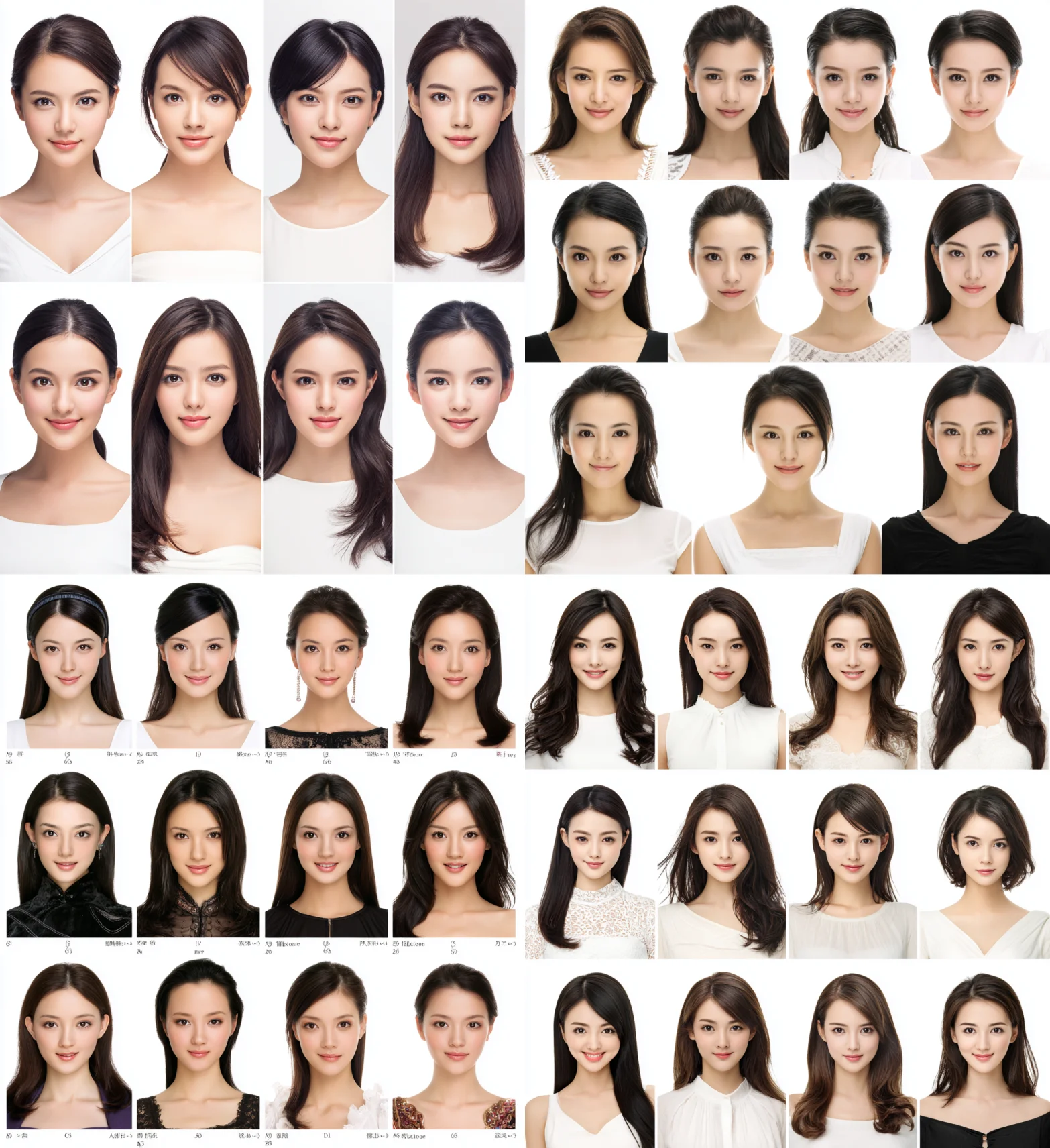
The progression from basic maintenance to anti-aging technologies mirrors a deeper cultural shift. Where pre-modern societies read wrinkles as accumulated wisdom, contemporary codes equate smoothness with continued economic and reproductive value. This is why professional skin care protocols emphasize prevention over correction. Low-level light therapy, fractional radiofrequency, and stabilized retinoids function less as treatments and more as temporal editors. They slow the rate at which cellular senescence becomes culturally legible. The professional’s role is therefore not to erase time but to control its rate of inscription on the skin.
Precision matters at every layer. pH-balanced cleansing preserves the acid mantle that antimicrobial peptides rely upon, a detail invisible to consumers yet decisive in long-term microbiome stability. Ingredient penetration follows Fick’s laws of diffusion; molecular weight, polarity, and vehicle determine whether a peptide reaches the dermis or merely coats the surface. Professionals who internalize these physical constraints avoid the common cultural trap of promising transformation through topical application alone. Instead, they design cumulative sequences: nightly retinoid induction followed by daytime antioxidant shielding, interrupted by periodic in-office procedures that create controlled micro-injuries to stimulate fibroblast activity without crossing into scar territory.

Cultural codes also dictate patient psychology. The contemporary subject experiences skin as both private property and public performance. When a 35-year-old executive requests “glass skin,” the request encodes aspirations toward translucency and uniformity that trace back to K-beauty’s global circulation of ideals. Effective practitioners decode these expectations without surrendering clinical judgment. They translate desire into measurable parameters—transepidermal water loss rates, melanin index, dermal thickness via ultrasound—then construct regimens that satisfy both the cultural image and the biological substrate.
Advanced anti-aging care further illustrates this encoding process. Polynucleotides and exosomes do not merely stimulate collagen; they participate in the emerging narrative that aging is a programmable variable rather than an inevitable decline. Yet the most sophisticated protocols remain anchored in fundamentals. No amount of regenerative signaling compensates for chronic barrier disruption or unprotected UV exposure. The hierarchy remains strict: restore barrier integrity, modulate inflammation, then layer regenerative stimuli. This sequence respects both cellular biology and the cultural demand for visible, incremental proof of investment.

Ultimately, skin care within medical aesthetics functions as cultural infrastructure. It translates abstract values—discipline, foresight, self-mastery—into measurable surface qualities that others interpret instantly. Professionals who treat this domain with scientific rigor and symbolic awareness produce outcomes that endure beyond trends. They recognize that every protocol writes a small chapter in the ongoing human project of making the body speak of order rather than entropy. The skin, properly cared for, becomes both archive and argument: evidence that time can be negotiated rather than merely endured.