Introduction: The Silent Power of Symbols in Beauty Culture (Ethos)
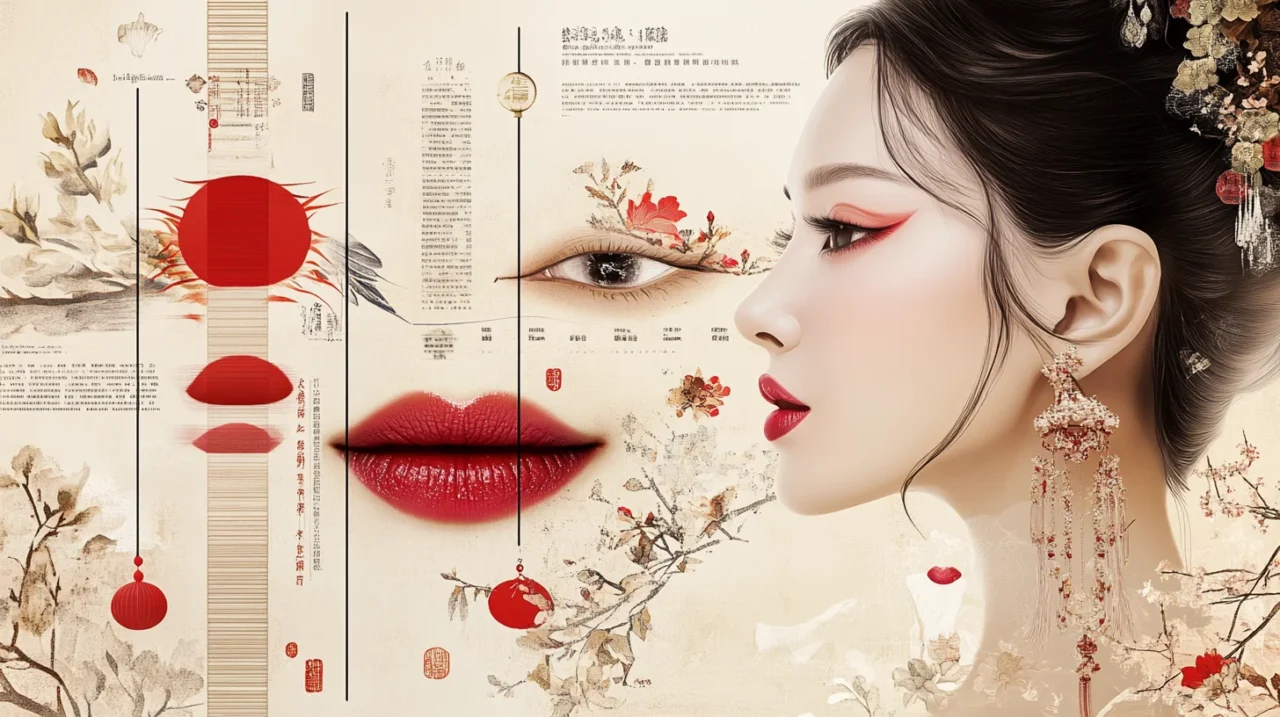
Let me ask you a question: When you think of beauty, what images come to mind? Is it the flawless skin of a Hollywood icon, the sculpted features of a Greek statue, or the minimalist elegance of a Japanese tea ceremony? As a writer and observer of cultural trends, I’ve spent years dissecting how beauty isn’t just a personal preference—it’s a language. A language made up of symbols that whisper to us through history, media, and societal norms. In the world of medical aesthetics, or “med spa” culture, these symbols aren’t just background noise; they’re the very foundation of why we chase certain looks, treatments, and ideals. My perspective comes from years of analyzing cultural undercurrents, and today, I’m inviting you to see beauty through the lens of cultural symbols—those silent architects of desire that shape everything from Botox trends to the rise of “glass skin.”
Cultural symbols are more than mere images or ideas; they are carriers of meaning, deeply embedded in our collective psyche. As a field, cultural semiotics—the study of how symbols create and communicate meaning—offers us a powerful tool to decode why certain beauty standards dominate while others fade. In this article, we’ll unravel how symbols operate within med spa culture, influencing not just what we find beautiful, but how we behave as consumers of aesthetic treatments. Trust me when I say this: understanding these symbols isn’t just academic—it’s a key to navigating the ever-shifting landscape of beauty with clarity and intention.
The Emotional Pull of Beauty Symbols (Pathos)

Let’s start with something visceral. Think about the last time you scrolled through Instagram and saw a perfectly contoured face, lips plumped to just the right proportion, or a jawline so sharp it could cut glass. Did you feel a pang of longing? Maybe even a flicker of inadequacy? That’s no accident. These images are loaded with cultural symbols that tap directly into our emotions—symbols of youth, power, and social status that have been cultivated over centuries.
Take the symbol of “youth” as an example. Across cultures, youthful skin—smooth, unblemished, glowing—has long been a marker of vitality and fertility, deeply rooted in evolutionary psychology. In medieval Europe, pale, unmarred skin signaled wealth and leisure, as only the elite could avoid the sun’s harsh effects. Fast forward to today, and the med spa industry has turned this symbol into a multi-billion-dollar machine. Treatments like chemical peels, laser resurfacing, and fillers aren’t just about erasing wrinkles; they’re about reclaiming a cultural symbol of worth. When a 40-year-old woman invests in Botox, she’s not just smoothing her forehead—she’s buying into a narrative that says youth equals relevance. And that narrative, my friends, is a powerful emotional hook.
But symbols aren’t universal; they shift with cultural context. In South Korea, the concept of “glass skin”—a dewy, almost translucent complexion—has become a global phenomenon, driven by K-beauty and K-pop idols. Here, the symbol isn’t just youth; it’s purity, discipline, and a kind of ethereal perfection. Med spas worldwide now offer hydrating facials and multi-step treatments to replicate this look, not because it’s inherently “better,” but because the cultural symbol of glass skin evokes a specific emotional response: admiration, aspiration, even envy. These symbols don’t just reflect beauty standards; they weaponize our emotions, turning desire into demand.
The Logic Behind Symbolic Beauty Trends (Logos)
Now, let’s get analytical. If symbols are the emotional fuel of beauty culture, how do they translate into the hard data of med spa trends? Cultural semiotics gives us a framework to understand this. Symbols operate within systems—networks of meaning that are reinforced by media, history, and social structures. When a symbol gains traction, it doesn’t just influence individual choices; it reshapes entire industries.
Consider the rise of lip fillers over the past decade. This trend can be traced back to a specific cultural symbol: full lips as a marker of sensuality and femininity. Historically, this symbol was amplified by icons like Marilyn Monroe, whose pout became synonymous with allure in the mid-20th century. But it wasn’t until the 2010s, with the advent of social media and influencers like Kylie Jenner, that the symbol exploded into a mainstream obsession. According to the American Society of Plastic Surgeons, lip augmentation procedures increased by over 60% between 2015 and 2020. Med spas responded with non-surgical options like hyaluronic acid fillers, marketed as a quick, accessible way to achieve this symbolic ideal. The logic is simple: a symbol (full lips = desirability) drives demand, and the industry adapts to supply it.
This isn’t random; it’s systemic. Semiotics teaches us that symbols gain power through repetition and association. When media repeatedly pairs full lips with success, romance, or confidence, it creates a feedback loop. Consumers internalize the symbol, seek treatments to embody it, and in doing so, reinforce its cultural dominance. Med spas, in turn, capitalize on this by branding treatments with symbolic language—“kissable lips,” “youthful glow,” “timeless beauty.” A 2022 study by the International Society of Aesthetic Plastic Surgery found that 78% of patients cited “achieving a specific look seen on social media” as their primary motivation for cosmetic procedures. That’s the power of a symbol: it’s not just an idea; it’s a market force.
But symbols aren’t static. They evolve, often clashing with other cultural values. In Western cultures, the symbol of “thinness” has long dominated beauty ideals, linked to discipline and control. Yet, in recent years, the rise of body positivity has introduced a counter-symbol: curves as a celebration of diversity and self-acceptance. Med spas have had to navigate this tension, offering treatments like Brazilian Butt Lifts alongside traditional liposuction. The data reflects this shift—demand for buttock augmentation grew by 37% globally from 2019 to 2022. This tug-of-war between symbols shows us that beauty culture isn’t monolithic; it’s a battlefield of competing meanings, each vying for dominance in our collective imagination.
Case Study: The Symbol of the “Instagram Face”
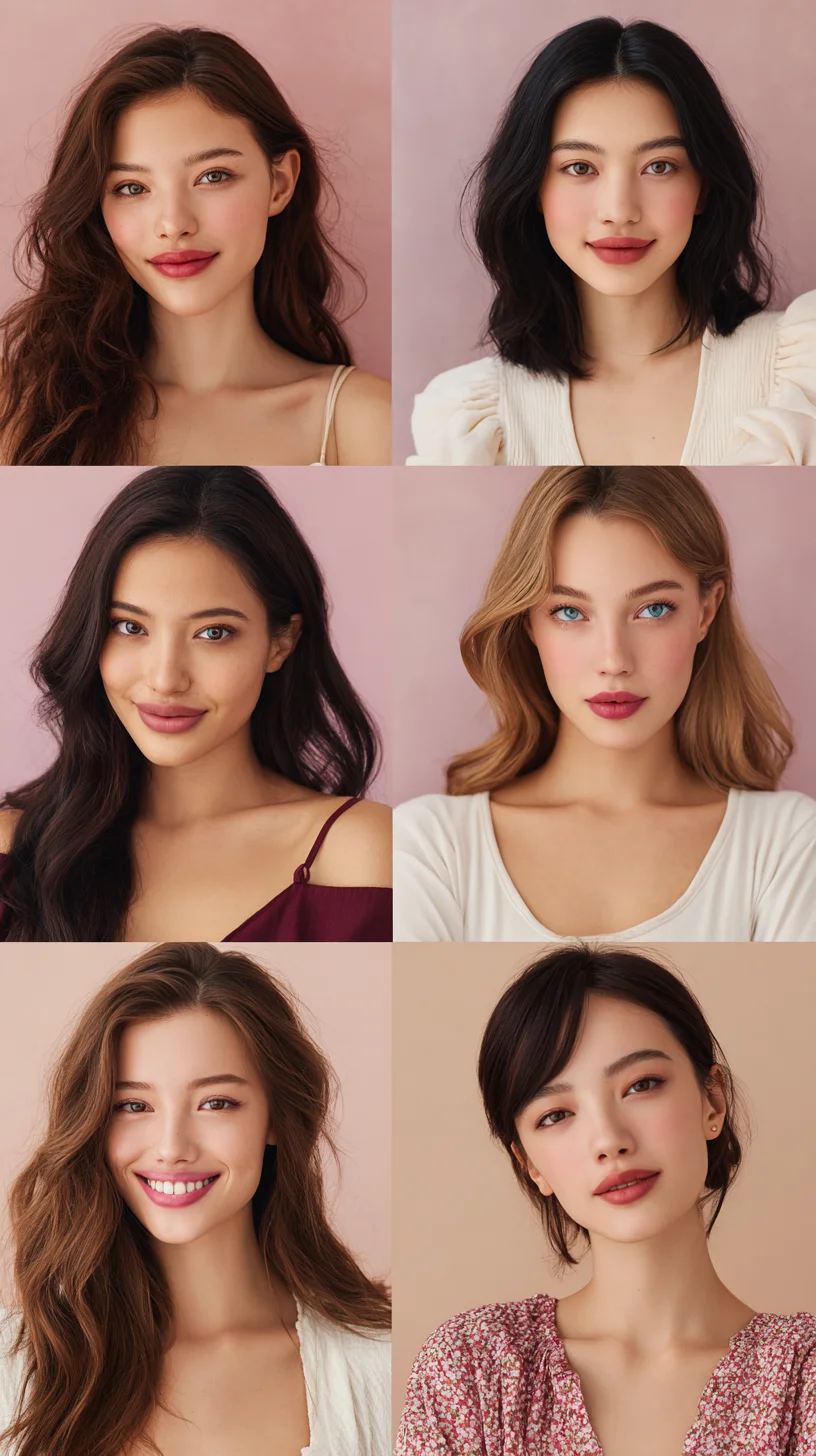
To ground this discussion, let’s zoom in on a modern phenomenon: the “Instagram Face.” Coined by writer Jia Tolentino in a 2019 New Yorker article, this term describes a homogenized beauty ideal—high cheekbones, full lips, cat-like eyes, and a tiny nose—that has become ubiquitous on social media. It’s a look that transcends race and ethnicity, creating a kind of universal template for attractiveness. But what’s behind it? Purely cultural symbols.
The Instagram Face is a collage of historical beauty symbols, repackaged for the digital age. The high cheekbones echo Renaissance paintings, where they signified nobility. The full lips draw from 20th-century Hollywood glamour. The cat-eye shape, enhanced by fillers or thread lifts, taps into ancient Egyptian ideals of mystery and power (think Cleopatra). Med spas have become the factories of this look, offering a menu of procedures—cheek fillers, lip injections, brow lifts—that allow anyone with enough money to buy into the symbol. According to a 2021 report by Grand View Research, the global facial injectables market is projected to reach $21.57 billion by 2028, driven largely by social media-driven aesthetics.
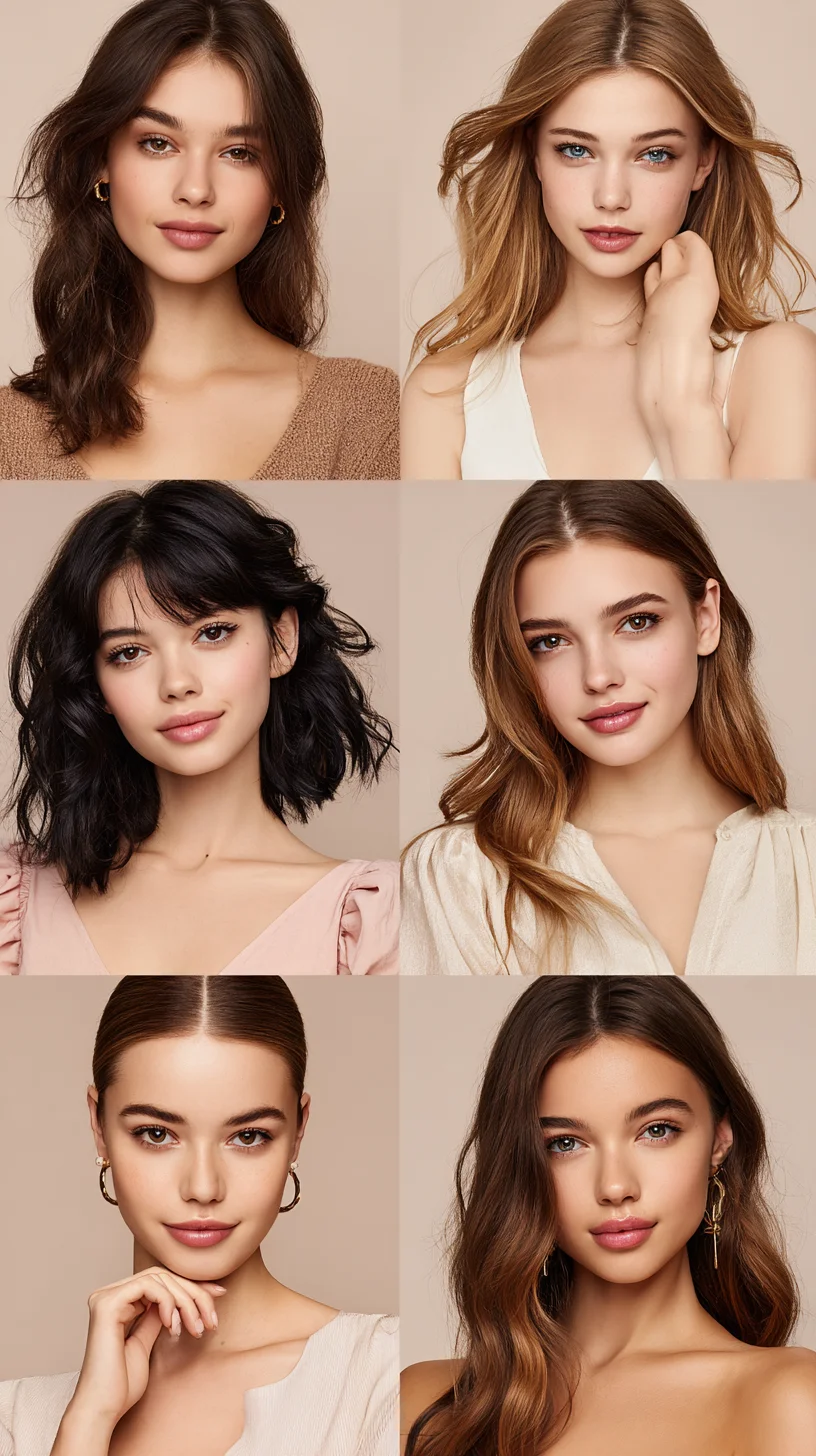
But here’s the darker side: the Instagram Face isn’t just a symbol of beauty; it’s a symbol of conformity. Semiotics tells us that symbols can exclude as much as they include. By promoting a singular, often Eurocentric ideal, this look marginalizes diverse beauty standards, creating a cultural hierarchy where some features are “in” and others are “out.” Med spas, while democratizing access to these treatments, often perpetuate this hierarchy by marketing the Instagram Face as the ultimate goal. It’s a stark reminder that symbols aren’t neutral; they carry power, shaping not just how we look, but how we value ourselves and others.
Conclusion: Decoding Beauty for Empowerment
So, where does this leave us? Cultural symbols are the invisible threads weaving through med spa culture, dictating trends, driving demand, and shaping our deepest desires. From the youthful glow of Botox to the ethereal purity of glass skin, these symbols aren’t just aesthetic ideals—they’re narratives we buy into, emotionally and literally. By understanding them through the lens of cultural semiotics, we gain something powerful: perspective. We start to see beauty not as a universal truth, but as a constructed language, one we can learn to read, critique, and even rewrite.
As consumers of med spa treatments, this knowledge is a tool. It lets us ask: Am I chasing this look because I want to, or because a symbol told me I should? As an industry, med spas must also grapple with their role in perpetuating or challenging these symbols. Do they reinforce a narrow ideal, or do they celebrate diversity in beauty? The answers aren’t easy, but the conversation is essential.
I’ll leave you with this: the next time you book a facial or consider a filler, pause for a moment. Look at the image in your mind’s eye—the “perfect” version of yourself. Ask yourself where that image came from. Because beauty isn’t just skin deep; it’s a story, written in the language of symbols. And once you learn to read that language, you hold the power to decide which chapters to keep, and which to rewrite.