Introduction: A Conversation Across Boundaries
Imagine sitting at a table with a biologist, a psychologist, a sociologist, and an artist. The topic? The human lip. Not just as a feature of beauty, but as a canvas of biology, a mirror of emotion, a symbol of culture, and a subject of aesthetic mastery. This is not a hypothetical scenario but the essence of our exploration today. In this cross-disciplinary dialogue, we break down the silos of knowledge to construct a holistic view of lip beauty—a full-spectrum perspective that transcends surface-level admiration and dives into the intricate layers of what makes lips a universal fascination.
Welcome to a conversation that integrates science, psychology, culture, and art. Let』s unlock the secrets of lip aesthetics together.
The Biologist: Lips as a Biological Marvel
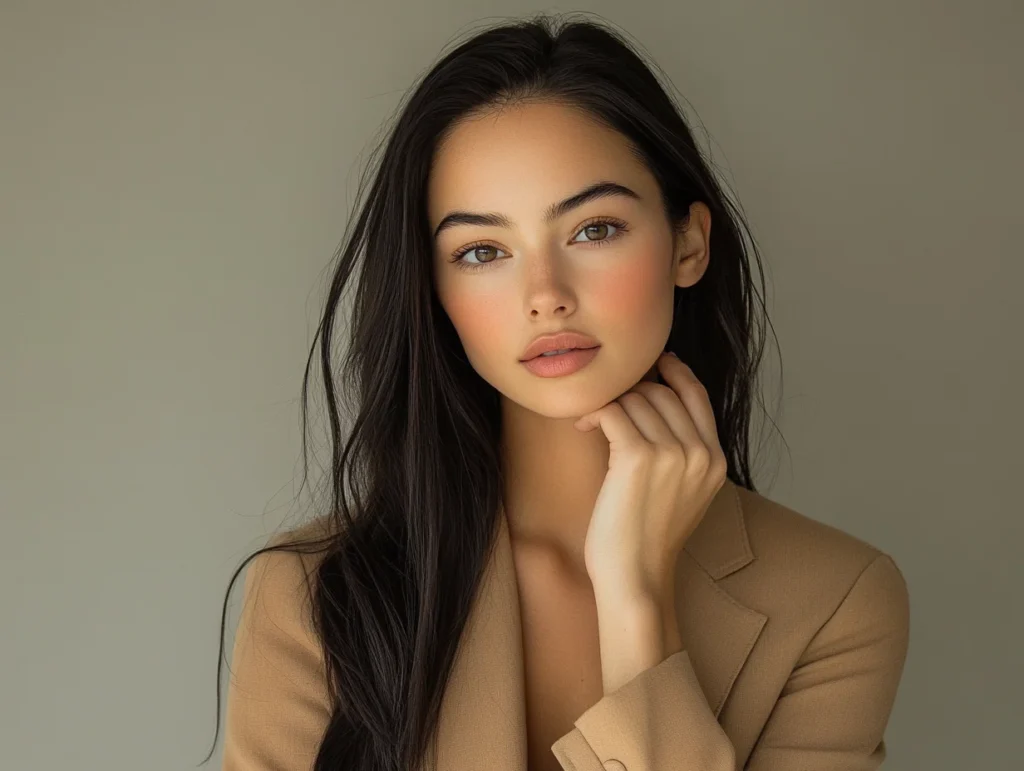
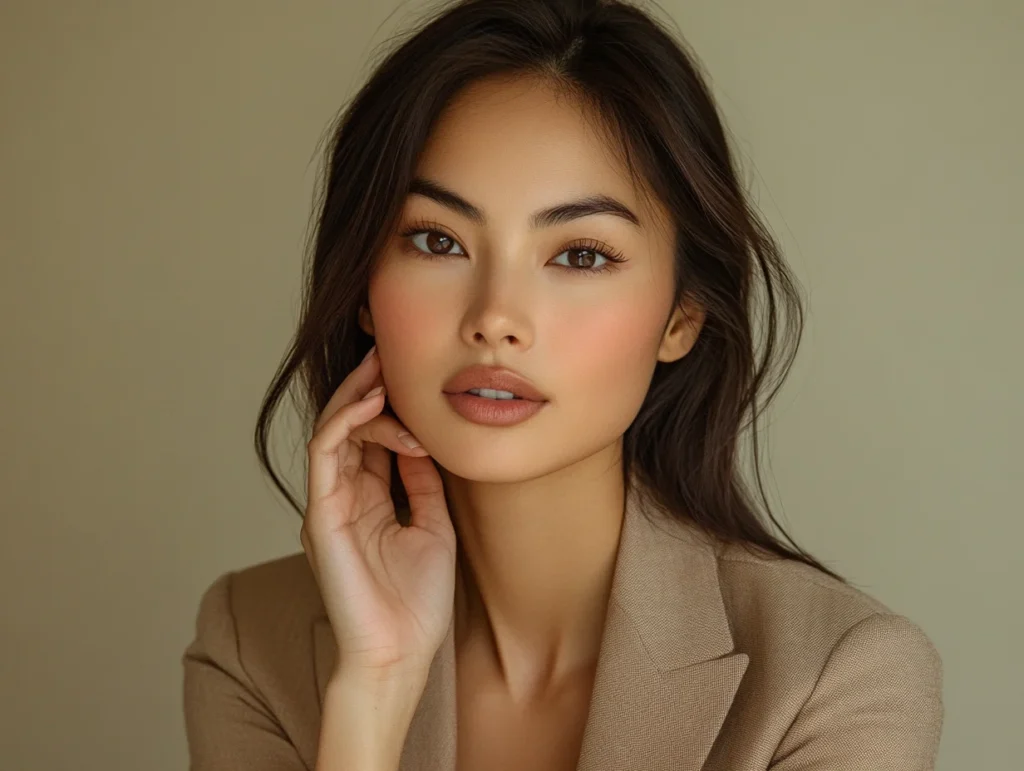
Let』s start with the raw material—the biological foundation of lips. Biologically speaking, lips are far more than just a pretty frame for the mouth. They are a unique intersection of skin and mucosa, a transition zone that is neither fully one nor the other. This makes them incredibly sensitive, with a high density of nerve endings that allow for precise tactile feedback. Lips are also one of the few areas of the body without hair follicles or sweat glands, which contributes to their distinct texture and vulnerability.
But why do lips often appear redder than the surrounding skin? The answer lies in their thin epidermal layer and the dense network of blood vessels beneath. This vascular richness not only gives lips their natural hue but also makes them a barometer of health—pale lips can signal anemia, while bluish tones might indicate poor oxygenation. From an evolutionary standpoint, some researchers argue that prominent, colorful lips in humans evolved as a signal of health and fertility, much like bright plumage in birds. This theory, while debated, underscores the deep connection between biology and attraction.
In the context of medical aesthetics, understanding this biology is crucial. Lip fillers, for instance, must respect the natural anatomy to avoid disrupting blood flow or causing unnatural stiffness. Hyaluronic acid, a popular filler material, mimics the body』s own moisture-retaining molecules, but improper injection can lead to complications like vascular occlusion. The biologist at our table reminds us: beauty interventions must honor the lip』s delicate structure. Ignoring this can turn an enhancement into a health risk.
The Psychologist: Lips as a Window to Emotion
Now, let』s shift to the psychological lens. Lips are not just physical; they are profoundly emotional. Think about how much we infer from someone』s smile, pout, or frown. Lips are a primary tool for non-verbal communication, often conveying what words cannot. A tight-lipped expression might signal restraint or discomfort, while a full, genuine smile can radiate warmth and trust.
Psychologically, lips are also tied to self-perception and confidence. Studies show that individuals who are dissatisfied with their lip appearance—whether due to thinness, asymmetry, or aging—often report lower self-esteem. This isn』t merely vanity; it』s rooted in how we project ourselves to the world. Lips, as a focal point of the face, play an outsized role in first impressions. Research from the University of Manchester found that people fixate on the mouth almost as much as the eyes during initial interactions, especially when assessing attractiveness or emotional state.
This psychological weight explains the booming demand for lip augmentation. But the psychologist at our table raises a cautionary point: chasing an idealized lip shape (often influenced by media or celebrity trends) can lead to a disconnect between external change and internal satisfaction. The rise of 「lip dysmorphia」—an obsessive focus on perceived lip flaws—highlights the need for mental health screening before cosmetic procedures. True lip beauty, from a psychological perspective, isn』t just about volume or symmetry; it』s about alignment with one』s authentic self-image.
The Sociologist: Lips as a Cultural Symbol
Let』s widen the lens further with the sociologist』s perspective. Lips are not just personal; they are profoundly cultural. Across societies and history, lips have carried diverse meanings and ideals of beauty. In some African and South American cultures, lip plates and stretching practices signify status, maturity, or tribal identity. In contrast, Western beauty standards have often emphasized full, pouty lips as a marker of sensuality, a trend amplified by Hollywood and social media.
But cultural ideals are not static—they evolve with social dynamics. The sociologist points out how the 20th century saw thin lips as elegant (think of the flapper era), while the 21st century has glorified the 「Kylie Jenner effect」 of dramatically full lips. This shift isn』t random; it reflects broader societal changes, including the influence of digital culture and the democratization of beauty through platforms like Instagram. Filters and photo editing have normalized exaggerated lip proportions, creating a feedback loop where real-life procedures chase virtual ideals.
Moreover, lips are often politicized. The sociologist notes how lip beauty intersects with race and gender. For instance, full lips have historically been stereotyped or fetishized in certain racial contexts, while in others, they』ve been marginalized until co-opted by mainstream trends. This raises ethical questions for the medical aesthetics industry: Are we perpetuating narrow beauty standards, or are we empowering individual choice? The sociologist argues that true progress lies in celebrating diverse lip aesthetics rather than conforming to a singular, often Eurocentric, ideal.
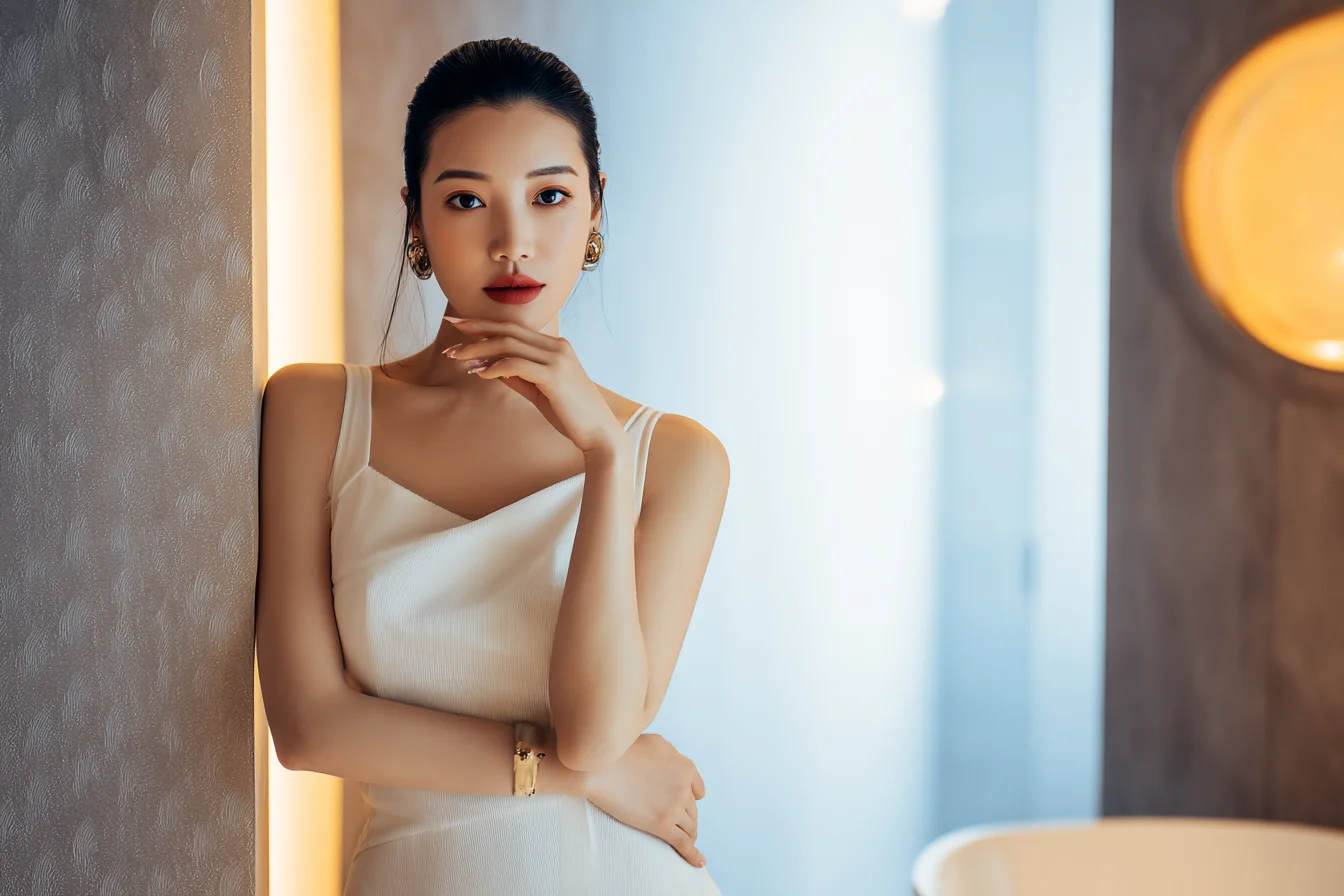
The Artist: Lips as a Canvas of Expression
Finally, we turn to the artist, who sees lips not as a biological feature or social symbol, but as a canvas for creativity. In art history, lips have been a focal point of expression—from the enigmatic smile of the Mona Lisa to the bold, surreal lips in Salvador Dalí』s works. Artists understand that lips can tell a story, evoke a mood, or challenge norms.
In the realm of medical aesthetics, this artistic perspective translates into the craft of lip enhancement. A skilled practitioner is akin to a sculptor, balancing proportion, symmetry, and individuality. The 「golden ratio」 of facial aesthetics often guides lip design, where the lower lip is ideally 1.6 times fuller than the upper lip. But the artist at our table emphasizes that rules are just a starting point. True beauty lies in customization—lips that harmonize with the unique contours of a person』s face, rather than adhering to a one-size-fits-all template.
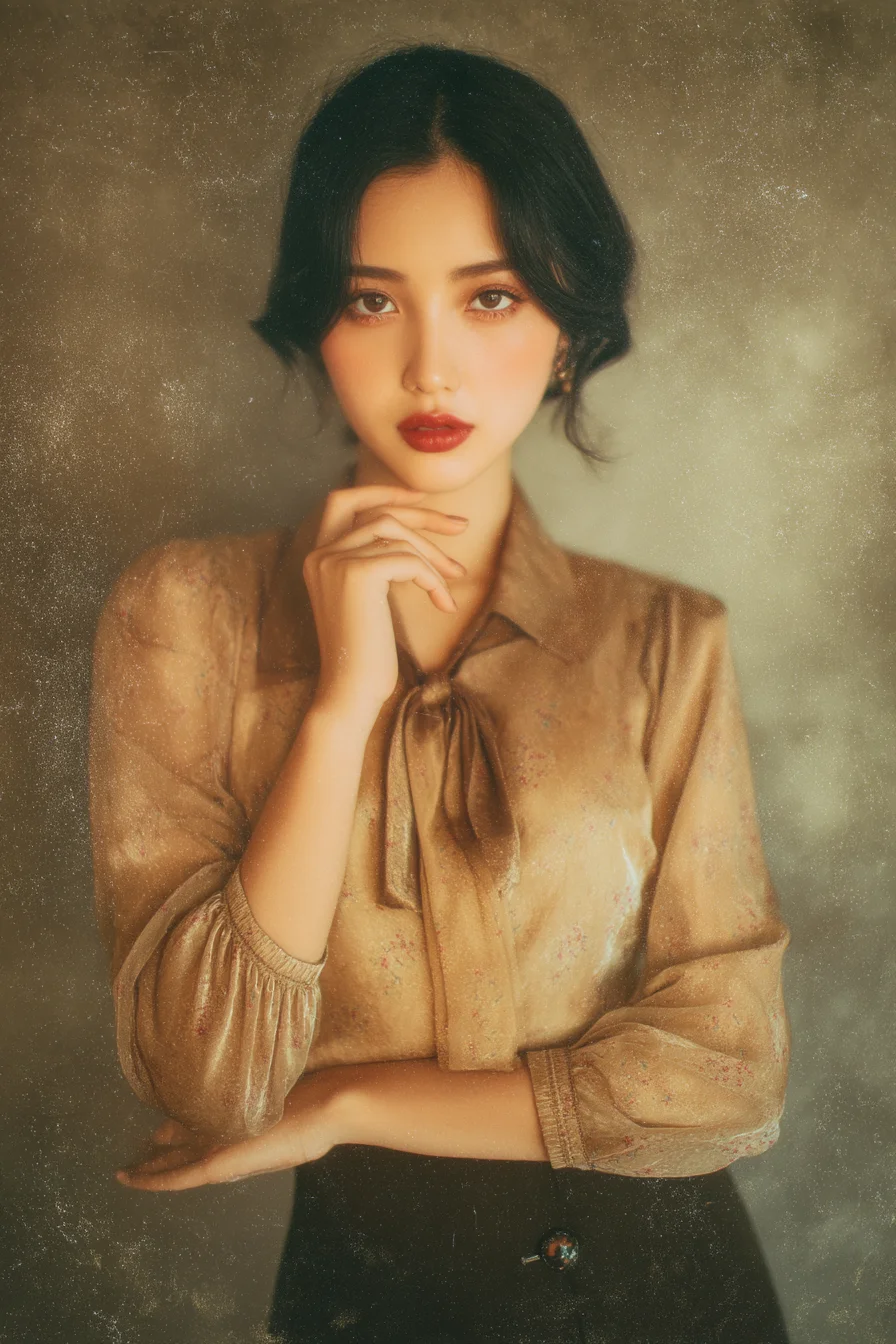
Makeup, too, plays a pivotal role in this artistic expression. Lipstick, gloss, and liners can transform lips into a statement—whether it』s the classic red of confidence or the nude tones of understated elegance. The artist reminds us that lip beauty is not static; it』s performative. A swipe of color can shift how lips are perceived, much like a brushstroke alters a painting. This dynamic interplay between permanent enhancements (like fillers) and temporary artistry (like makeup) offers endless possibilities for self-expression.
Integration: Building the Full Hologram of Lip Beauty
As our dialogue across disciplines unfolds, a richer picture emerges. The biologist grounds us in the lip』s physical reality—its delicate anatomy and evolutionary significance. The psychologist reveals the emotional and personal stakes, reminding us that lip beauty is as much about internal perception as external appearance. The sociologist contextualizes lips within cultural and historical narratives, urging us to question imposed ideals and embrace diversity. And the artist inspires us to see lips as a medium of creativity, a space for individuality and expression.

What happens when we integrate these perspectives? We move beyond superficial definitions of lip beauty—beyond mere volume or color—and toward a holistic understanding. Lip aesthetics becomes a multidimensional concept, one that respects the interplay of science, emotion, culture, and art. This full-spectrum view challenges the medical aesthetics industry to evolve. It』s no longer enough to offer a quick filler injection or a trendy lip shape. Practitioners must act as integrators, considering a client』s biological limits, psychological needs, cultural background, and personal style.
For the individual seeking lip enhancement, this integrated perspective offers a roadmap. It encourages asking deeper questions: What do my lips mean to me? How do they reflect my identity or aspirations? Am I enhancing them for myself, or to fit a societal mold? These reflections can transform a cosmetic procedure from a fleeting trend into a meaningful act of self-care.
Conclusion: A New Frontier for Lip Aesthetics
Our cross-disciplinary conversation reveals that lip beauty is not a singular pursuit but a complex tapestry woven from many threads. By breaking down the barriers between biology, psychology, sociology, and art, we』ve constructed a holographic view of lips—one that captures their depth, nuance, and endless potential.
This dialogue is just the beginning. As we continue to explore lip aesthetics, let』s commit to this integrative approach. Let』s challenge ourselves to see lips not as isolated features but as connectors—between body and mind, individual and society, science and art. In doing so, we unlock not just the beauty of lips, but the beauty of a more connected, thoughtful way of understanding ourselves.
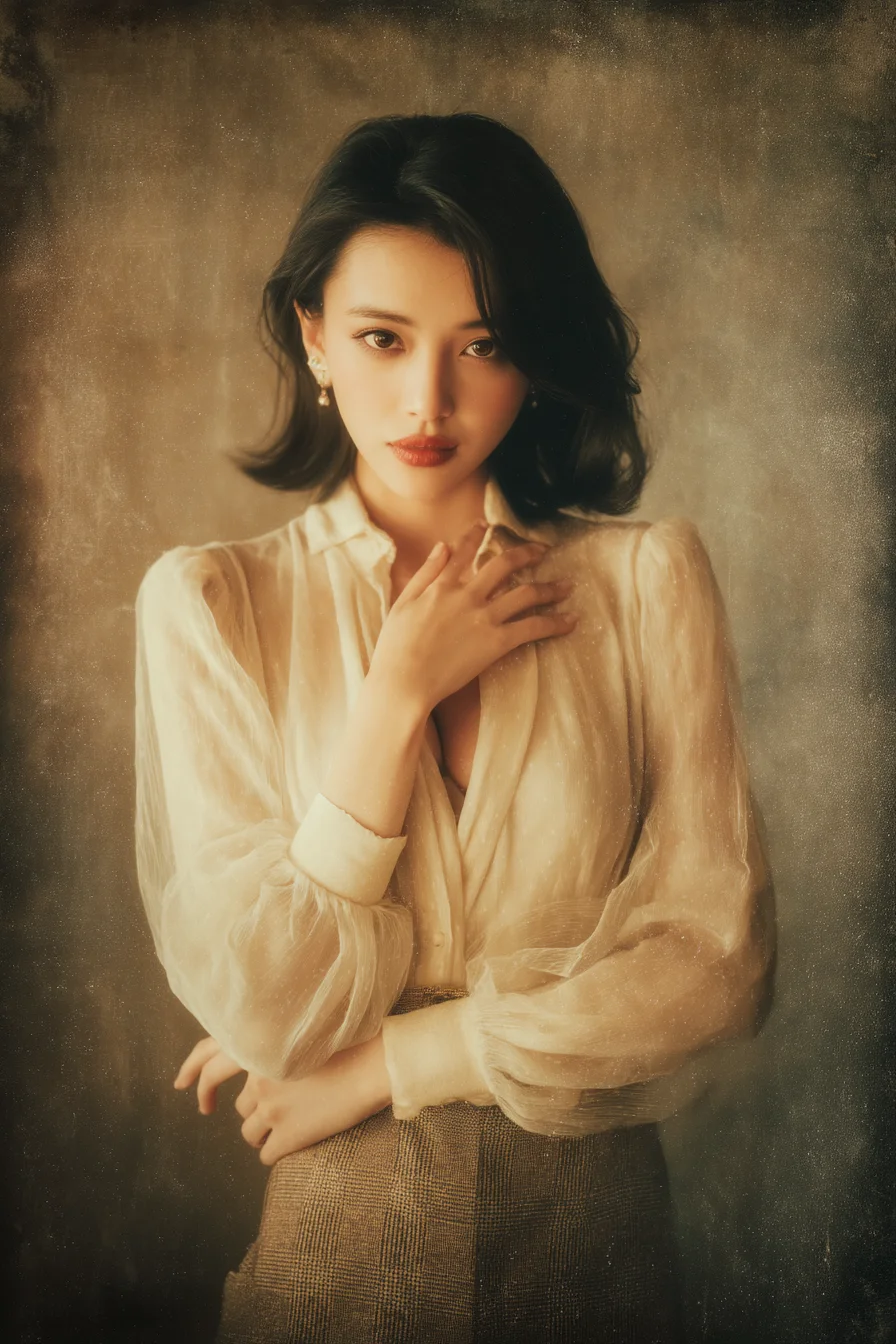
So, the next time you look in the mirror or consider a lip enhancement, remember this table of voices. Ask yourself: What story do my lips tell? And how can I honor every facet of that story?