Introduction
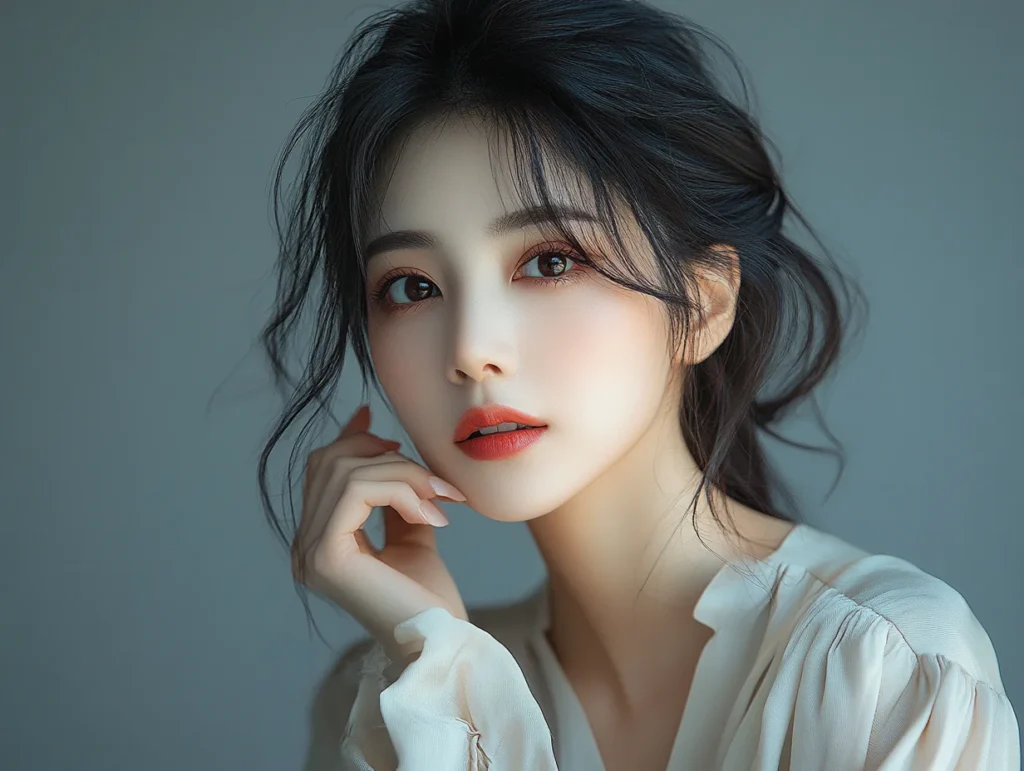
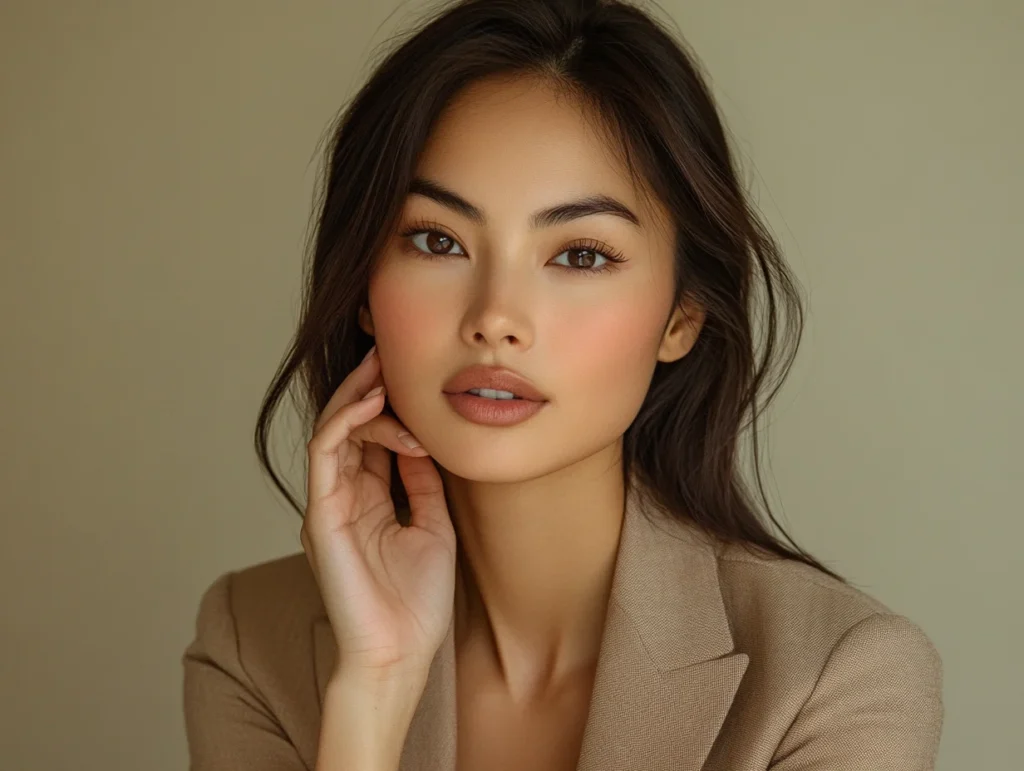
Lips are more than a feature of the face; they are a canvas of human expression, a silent language that speaks volumes across cultures and centuries. From the crimson-painted mouths of ancient Egyptian royalty to the bold, matte lips of modern influencers, lip aesthetics have evolved as a profound symbol of beauty, power, and emotion. In this exploration of lip beauty through the lens of history, culture, and personal expression, we uncover why lips transcend mere appearance to become a universal medium of connection. At the heart of this journey lies a simple truth: every lip shape tells a story, and every shade carries a sentiment. Let』s dive into the deep significance of lip aesthetics and why they remain an enduring obsession in the art of beauty.
The Peak of the Pyramid: Lips as the Ultimate Expression of Identity
At the core of lip aesthetics is a powerful idea: lips are a mirror of identity. They are one of the most dynamic features of the human face, capable of conveying joy, seduction, anger, or vulnerability without a single word. Unlike other facial features that remain relatively static, lips are in constant motion—smiling, pouting, whispering, or biting. This fluidity makes them a unique tool for emotional expression, a bridge between the inner self and the external world.
In the realm of beauty, lips hold a singular position. They are often the focal point of a face, drawing attention with their shape, fullness, and color. A study published in the Journal of Nonverbal Behavior found that observers are drawn to lips as a primary indicator of emotion, even before the eyes. This instinctive focus explains why lip aesthetics have been a central theme in art, fashion, and personal style for millennia. Whether through a subtle nude gloss or a daring red lipstick, the way we adorn our lips is a declaration of who we are—or who we wish to be.
Layer 1: Historical Foundations of Lip Beauty
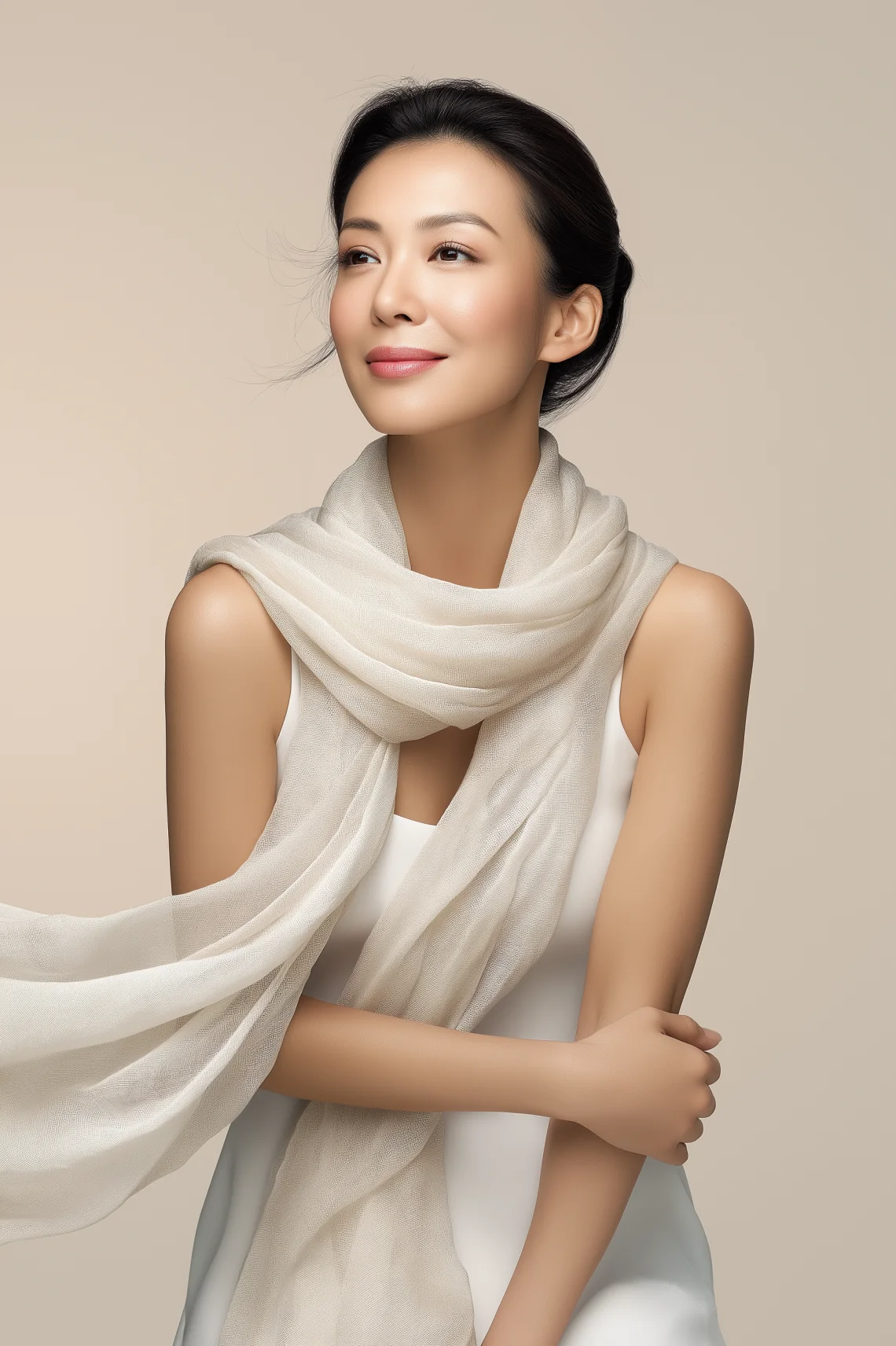
To understand the significance of lips in beauty and expression, we must first travel back in time. The obsession with lip aesthetics is not a modern phenomenon; it is deeply rooted in human history. In ancient Egypt, around 2500 BCE, both men and women used crushed carmine beetles to create red lip color, a practice reserved for the elite as a symbol of status and divinity. Cleopatra herself was known to blend pigments for her iconic crimson lips, a look that signified power and allure.
In ancient China, during the Tang Dynasty (618-907 CE), lip makeup became an intricate art form. Women painted their lips in delicate shapes—cherry-like dots or petal-inspired curves—using vermilion and beeswax. These designs were not merely decorative; they reflected societal ideals of femininity and grace, often inspired by poetry and nature. Lips became a visual metaphor for a woman』s inner beauty and emotional depth.
Fast forward to the European Renaissance, and we see lips taking on a more subdued role. Pale, thin lips were idealized as a sign of modesty and restraint, reflecting the era』s conservative values. Yet, by the 1920s, the flapper movement in the West redefined lip aesthetics with the bold, cupid』s bow shape and deep red shades, symbolizing rebellion and liberation. Each era』s lip trends reveal a snapshot of its cultural priorities—whether power, purity, or defiance.
This historical journey shows us that lips have never been just about beauty; they are a cultural artifact, a record of human values and desires. They adapt to the zeitgeist, reflecting the collective emotions of a time while shaping individual identities.
Layer 2: The Emotional Vocabulary of Lips
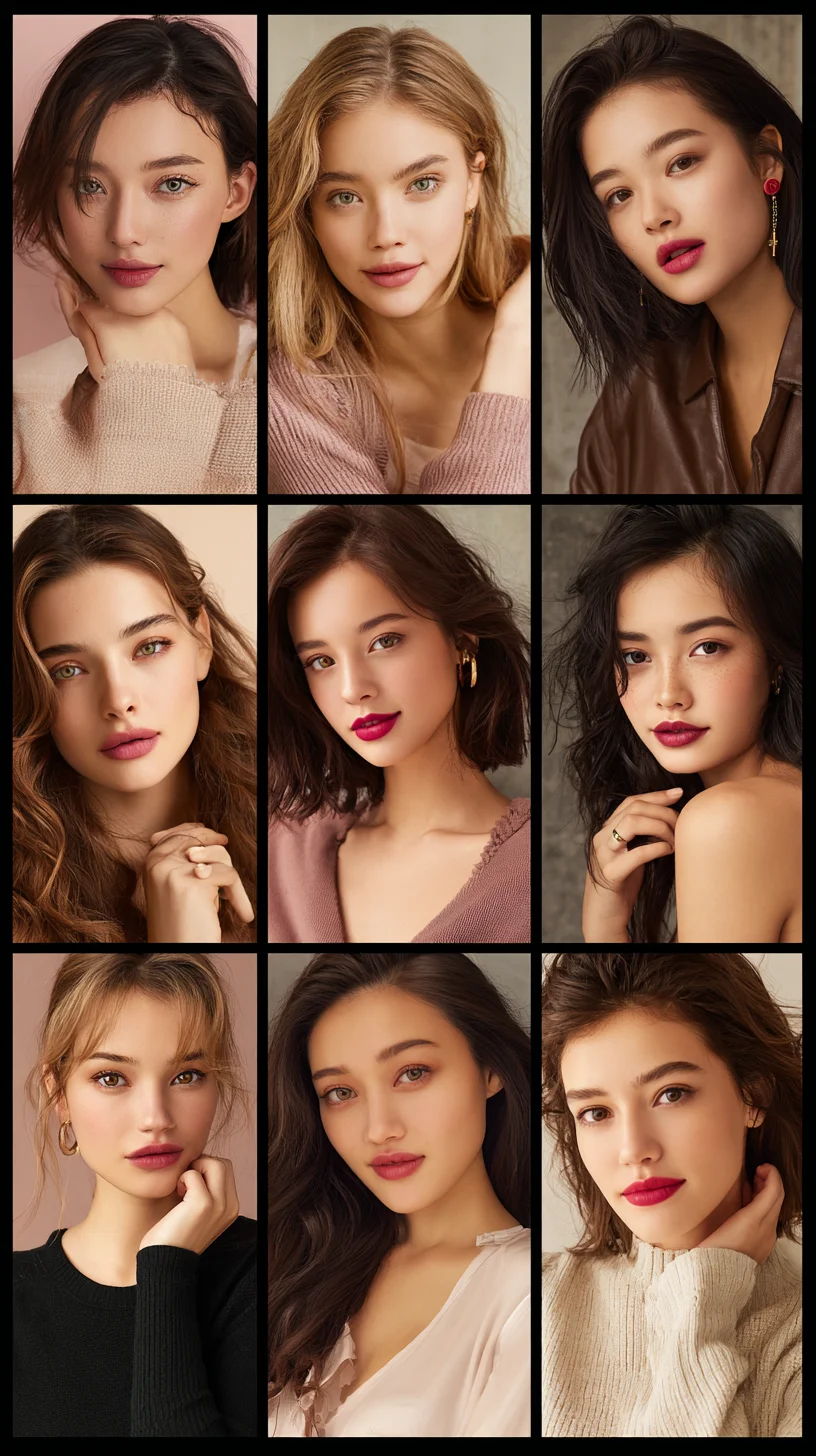
If history gives us the context of lip aesthetics, psychology provides insight into their emotional power. Lips are inherently tied to how we communicate, both verbally and nonverbally. A smile can warm a room, a pout can signal discontent, and a bitten lip can hint at nervousness or desire. This emotional versatility makes lips a focal point in human interaction, often more telling than words themselves.
In the context of beauty, the choice of lip color and shape becomes a deliberate act of emotional storytelling. Consider the classic red lip. According to color psychology, red evokes passion, confidence, and energy. A 2012 study from the University of Rochester found that women wearing red lipstick were perceived as more attractive and assertive by male observers, suggesting that lip color can influence social perceptions. Red lips don』t just enhance appearance; they project an emotional state, whether it』s boldness on a first date or power in a boardroom.
Conversely, nude or soft pink lips often convey approachability and vulnerability. These shades are less about commanding attention and more about creating connection, aligning with emotions of tenderness or openness. The rise of 「no-makeup makeup」 trends in recent years highlights this shift, with many opting for subtle lip tints to express authenticity over artifice.
Lip shape, too, plays a role in emotional expression. Fuller lips are often associated with youth and sensuality, a perception rooted in evolutionary biology where plump lips signal health and fertility. Meanwhile, thinner lips can be seen as refined or reserved, though modern beauty standards—amplified by fillers and contouring techniques—have shifted to celebrate volume. The key takeaway is that lips, whether natural or enhanced, are a palette for emotions, allowing us to curate how we are seen and felt by others.
Layer 3: Lips in Modern Beauty Culture
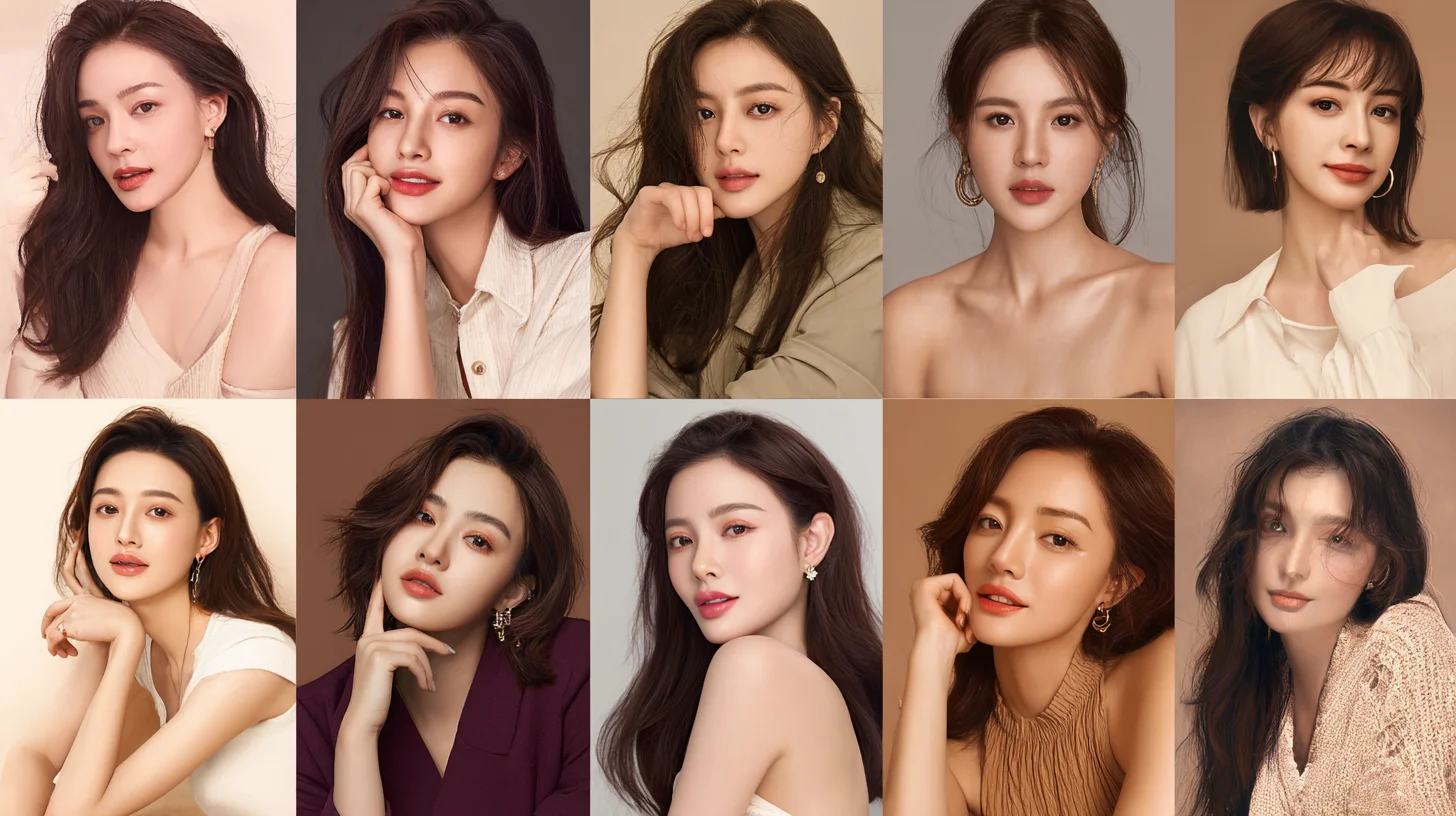
In today』s world, lip aesthetics have reached new heights of innovation and personalization, driven by social media and advancements in cosmetic technology. Platforms like Instagram and TikTok have turned lips into a global obsession, with trends like overlining, ombre lips, and glossy finishes going viral overnight. Influencers and celebrities—think Kylie Jenner』s transformative lip kits—have redefined beauty standards, making fuller lips a near-universal ideal in the 21st century.
This democratization of beauty, however, comes with complexity. While social media empowers individuals to experiment with lip aesthetics, it also creates pressure to conform. The rise of lip fillers, with over 2.6 million procedures performed in the U.S. in 2022 according to the American Society of Plastic Surgeons, reflects a cultural fixation on achieving the 「perfect」 pout. Yet, this pursuit raises questions about authenticity and self-expression. Are we shaping our lips to reflect our true selves, or to fit a mold?
On the flip side, modern beauty culture has also embraced diversity in lip aesthetics. Brands now offer expansive shade ranges to suit every skin tone, and campaigns celebrate natural lip shapes over one-size-fits-all ideals. Movements like #BodyPositivity encourage individuals to redefine beauty on their terms, whether that means embracing asymmetry or rejecting cosmetic enhancements altogether. Lips remain a battleground for personal agency, a space to challenge norms or reclaim narratives.
Moreover, the intersection of technology and lip beauty is reshaping emotional expression. Virtual filters and augmented reality apps allow users to 「try on」 lip colors and shapes before committing, blurring the line between digital and physical identity. This fusion suggests that lips are no longer just a physical feature but a customizable avatar of emotion, evolving with the digital age.
Layer 4: Practical Implications for Self-Expression
Understanding the cultural, emotional, and modern dimensions of lip aesthetics leads us to a practical question: how can we harness this power for ourselves? Lips offer a unique opportunity to experiment with identity and emotion, whether through makeup, skincare, or cosmetic procedures. Here are actionable ways to explore lip beauty as a form of self-expression:
- Choose Colors with Intention: Select lip shades that align with the emotion or message you want to convey. A bold red can amplify confidence during a presentation, while a soft mauve might suit a casual, approachable vibe. Studies, like one from the International Journal of Cosmetic Science (2018), show that lip color impacts first impressions—use this to your advantage.
-
Embrace Your Natural Shape: While trends may push certain ideals, your natural lip shape is a signature. Enhance it with subtle techniques like contouring or gloss rather than masking it. Makeup artists often emphasize that symmetry isn』t the goal; character is.
-
Prioritize Lip Health: Emotional expression starts with care. Dry, cracked lips can detract from any aesthetic, so invest in hydrating balms with ingredients like hyaluronic acid or shea butter. Healthy lips are a confident canvas.
-
Experiment Without Fear: Lips are a low-stakes playground for creativity. Unlike permanent changes to hair or skin, lip color can be wiped off at the end of the day. Test new shades, finishes, or even temporary fillers to discover what resonates with your identity.
-
Reflect on Cultural Context: Consider how your lip choices connect to your heritage or personal story. Are you drawn to a shade because it echoes a family tradition, or does a bold look feel like a rebellion against past norms? Lips can be a dialogue with your roots.
Conclusion: The Enduring Voice of Lips
As we』ve journeyed through the historical, emotional, and contemporary layers of lip aesthetics, one truth stands clear: lips are far more than a physical trait. They are a language of beauty and emotion, a canvas where culture, identity, and feeling converge. From the vermilion-stained mouths of ancient queens to the digitally filtered pouts of today, lips have always been a medium of expression, adapting to the needs and dreams of each era.
The power of lips lies in their duality—they are both universal and deeply personal. They connect us to shared human experiences while allowing us to carve out our unique stories. So, the next time you swipe on a lipstick or admire your natural lip line in the mirror, remember: you』re not just enhancing a feature. You』re speaking a silent language, one that has echoed through centuries and will continue to resonate as long as humans seek to express who they are. What story will your lips tell today?