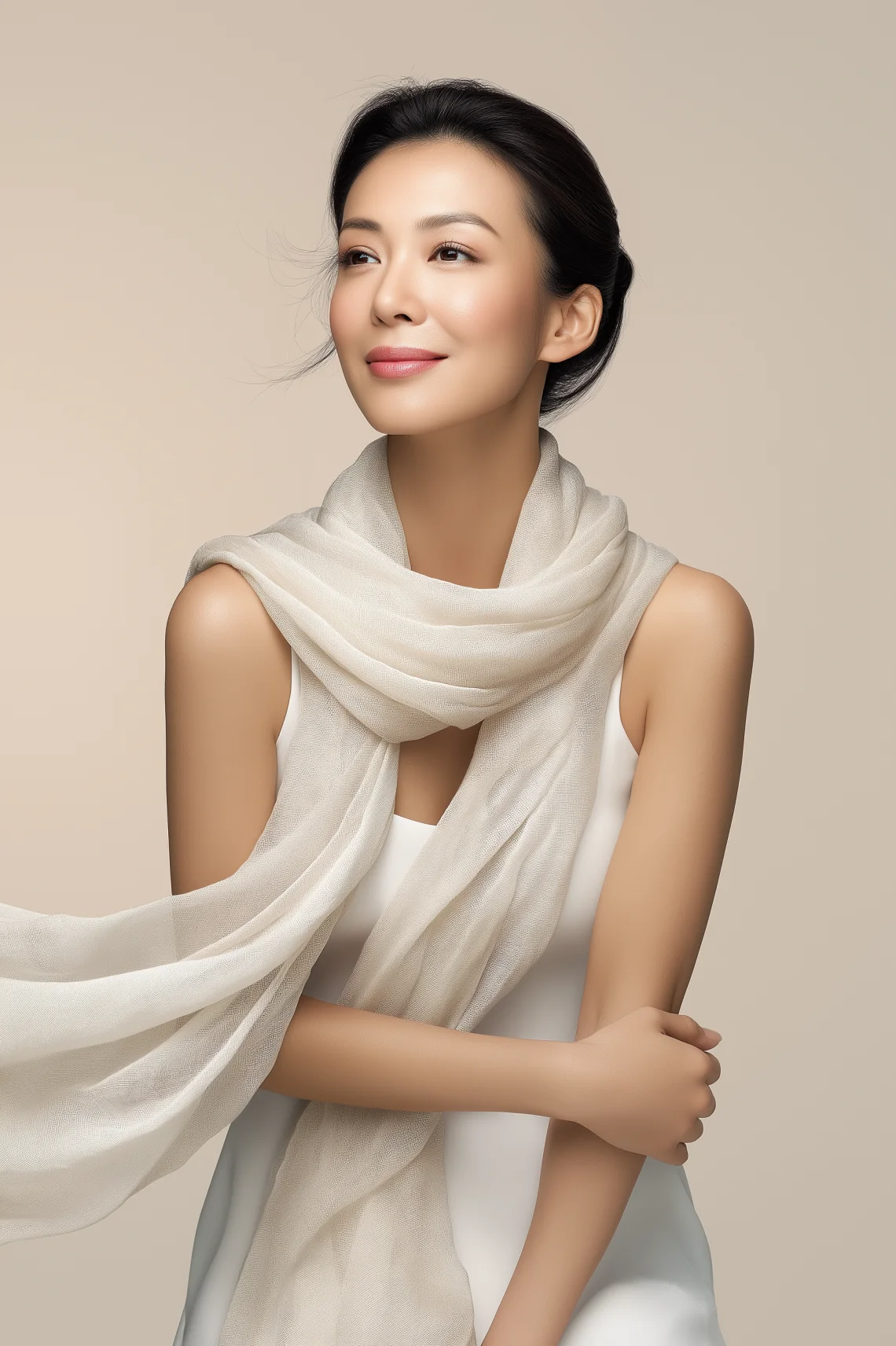
In the quiet theater of human experience, lips often serve as the first curtain to rise on the stage of our identity. They part not merely to speak or to smile, but to reveal fragments of an interior landscape shaped by longing, memory, and the ceaseless negotiation between who we are and who we wish to become. When we turn to medical aesthetics to refine their contour or hue, we are not simply altering tissue; we are entering a dialogue with the psyche itself, where every subtle enhancement becomes a metaphor for deeper transformation.
Consider the lip as a threshold. Like the mouth of a river meeting the sea, it marks the boundary between the private currents of thought and the public flow of expression. Psychological research on self-perception suggests that alterations here resonate far beyond the mirror. A fuller curve or softened edge can echo an internal shift toward openness, much as a sculptor’s chisel on marble uncovers form that was always latent within the stone. The decision to pursue such change, then, arises from an unspoken recognition: the outer surface has grown out of alignment with the evolving narrative of the self.

This alignment is rarely superficial. Beneath the surface lies a web of emotional needs—validation, agency, reconciliation with past versions of oneself. For some, the lips carry the weight of early experiences: a childhood marked by silence, or words spoken too soon and regretted. Enhancing them becomes an act of reclamation, a metaphorical unlocking of voice. In this sense, the procedure mirrors the process of narrative therapy, where patients rewrite their life stories by first adjusting the symbols that stand for those stories. The new lip shape does not erase history; it reframes it, allowing the individual to speak from a place of renewed authorship.
Yet the pursuit of aesthetic harmony also exposes a paradox central to human psychology. We seek change to feel more like ourselves, yet the very act of changing invites questions about authenticity. Is the refined lip a truer expression of inner essence, or a constructed mask? Metaphorically, this tension resembles the relationship between a garden and its gardener. The soil holds innate potential, but deliberate cultivation—pruning, nourishing, reshaping—brings forth a version that better reflects the gardener’s vision. Medical aesthetics functions similarly: it honors the raw material while acknowledging that intentional intervention can cultivate psychological flourishing rather than mere vanity.

Depth emerges when we trace these choices to their emotional roots. Anxiety about aging, for instance, often manifests as a desire to restore the lip’s youthful definition. Here the metaphor shifts to time’s erosion of a coastline; waves of experience gradually soften once-sharp lines. Restorative procedures become acts of coastal defense, preserving not just appearance but the sense of continuity that anchors personal identity. Studies in embodied cognition reinforce this link: changes in facial musculature and appearance can influence emotional states, creating feedback loops where outer adjustment eases inner dissonance.
For others, the motivation centers on social mirroring. Lips, being highly visible in communication, serve as social signals. Enhancing them can metaphorically adjust the volume of one’s presence in a room—turning a whisper into a clearer tone without raising one’s voice. This is not about conforming to external standards but about calibrating the self to feel legible within chosen contexts. The psychological payoff lies in reduced cognitive load: energy once spent managing perceived inadequacy becomes available for genuine connection.

Balance, however, requires introspection. The most enduring aesthetic decisions arise when the external change is tethered to an internal compass. One might ask: Does this adjustment amplify my existing sense of self, or does it attempt to silence a part of it? Metaphorically, the lips are like the aperture of a camera. Widening or refining the opening changes the depth of field—what comes into focus and what recedes. A thoughtful approach ensures that the sharpened image still includes the full spectrum of one’s emotional range rather than cropping out vulnerability or history.
Ultimately, the journey through lip aesthetics invites a larger meditation on selfhood. Each choice reflects an ongoing authorship of the body as text, where revisions are not betrayals but necessary edits in service of coherence. By honoring the psychological dimensions beneath the surface, individuals transform what might appear as a simple cosmetic act into a profound ritual of alignment—where the visible and the invisible meet, converse, and, in their harmony, reveal a more integrated self. In this light, the pursuit of lip beauty becomes less about perfection and more about poetic fidelity to the inner world that lips have always been destined to express.