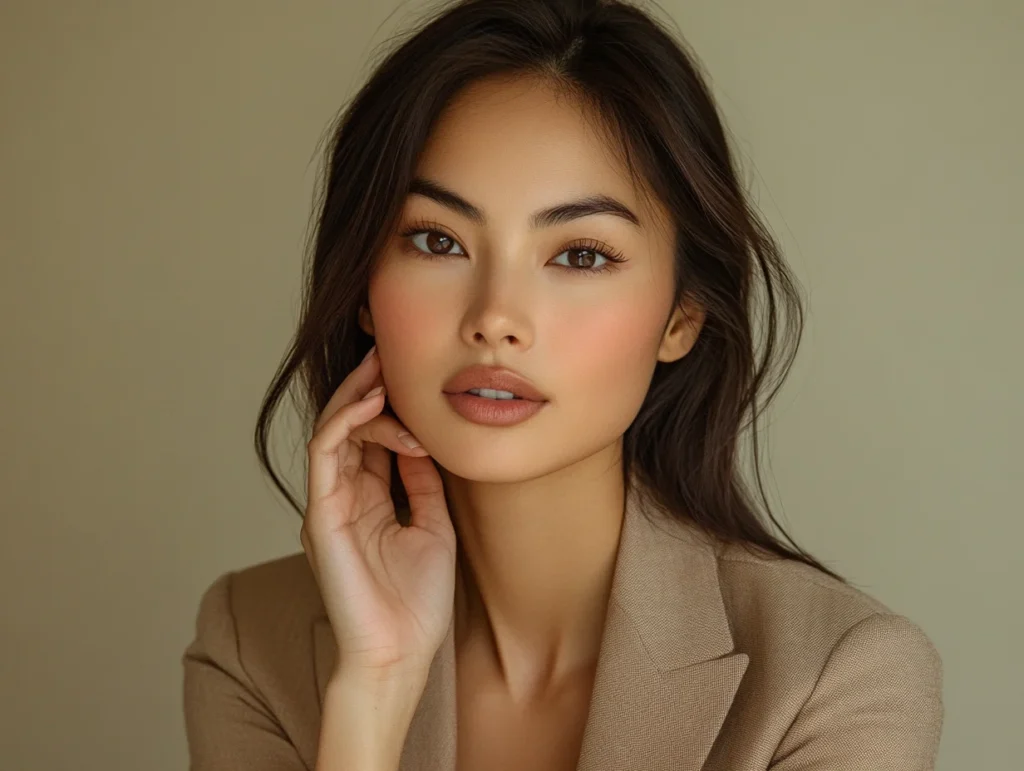
In a world obsessed with beauty, lips often steal the spotlight. They are more than just a feature; they are a canvas of expression, a symbol of sensuality, and a biological marvel. Yet, despite their prominence, our understanding of lip beauty remains fragmented—confined to narrow silos of cosmetics, anatomy, or cultural trends. What if we could step back and see lips not as isolated elements, but as a nexus of biology, psychology, sociology, and art? Using the principle of Occam’s Razor—seeking the simplest, most elegant explanation through the fewest assumptions—this exploration cuts through the noise to reveal the holistic essence of lip aesthetics. Let’s integrate these diverse lenses into a unified vision, uncovering why lips captivate us and how they shape our perceptions of beauty.
The Biological Blueprint: Lips as Evolutionary Artifacts
At their core, lips are a biological necessity. They protect the delicate oral cavity, facilitate speech, and enable nourishment. But evolution has sculpted them into something far more complex. The vermilion border—the distinct line where lip meets skin—exists nowhere else on the human body. Its vivid contrast, often accentuated by natural redness, is a byproduct of thin, vascular skin that reveals the blood beneath. This isn’t mere coincidence; evolutionary psychologists argue that red lips signal health and fertility, much like a peacock’s tail or a lion’s mane. In ancestral environments, fuller, symmetrical lips may have indicated robust genetics, drawing mates through subconscious cues.
Beyond signaling, lips are a sensory powerhouse. Packed with nerve endings, they are among the most tactile areas of the body, rivaling even the fingertips. This sensitivity underpins their role in intimacy—kissing, for instance, activates a cascade of oxytocin and dopamine, bonding partners on a chemical level. Biologically, lips are not just ornaments; they are tools of survival and connection, hardwired into our primal instincts. Yet, this is only the first layer of their story. To understand their aesthetic allure, we must look beyond the body to the mind.
The Psychological Canvas: Lips as Mirrors of Emotion
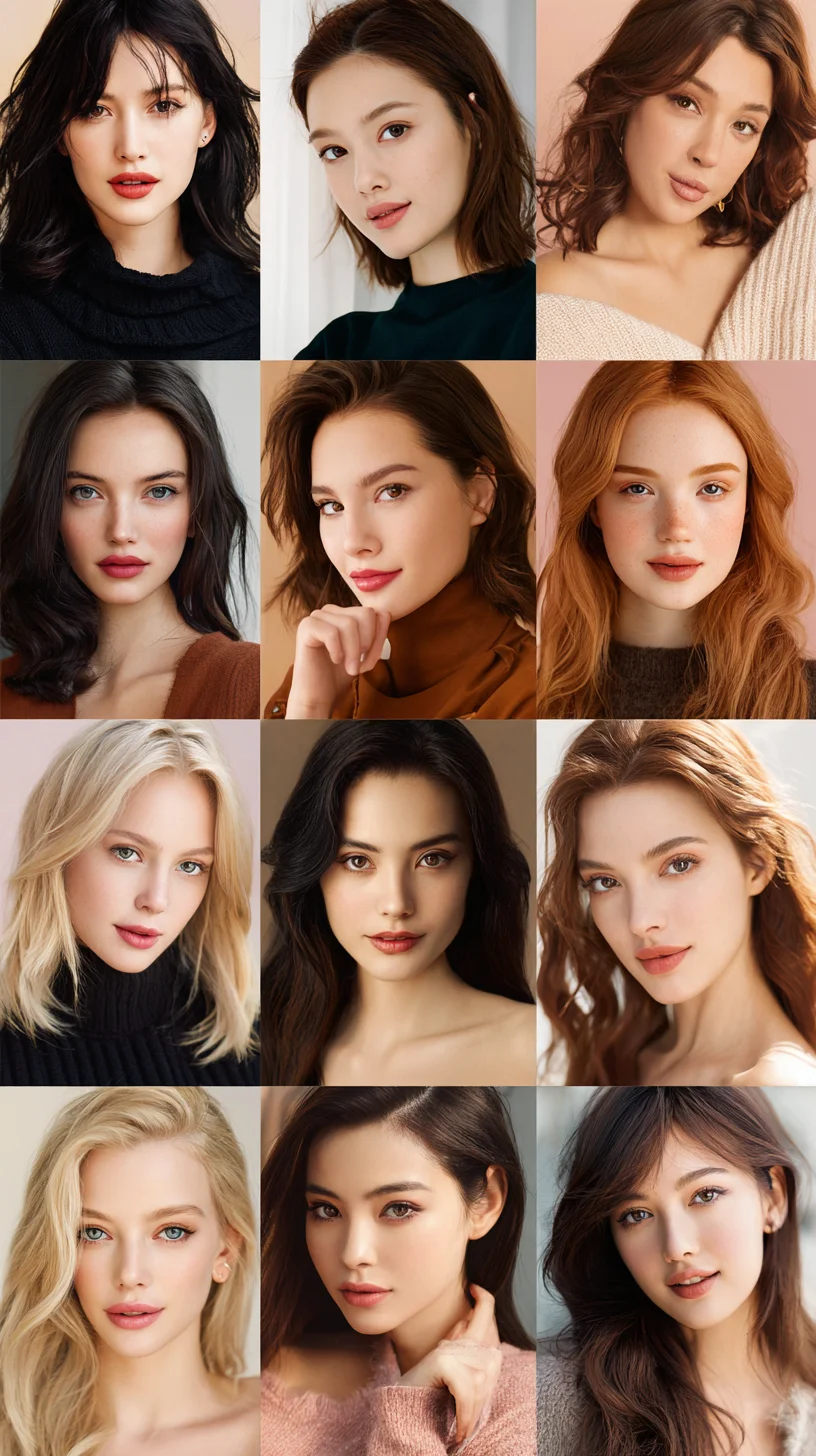
Lips don’t just speak; they emote. A slight upturn signals joy, a purse conveys disapproval, and a tremble betrays vulnerability. Psychologically, we are programmed to read lips as windows into the soul. Studies in facial recognition show that lips, alongside eyes, are primary focal points during interpersonal interactions. This isn’t random—lips are dynamic, constantly shifting to reflect internal states, making them a universal language of feeling.
But their psychological impact extends deeper into self-perception. Research in body image psychology reveals that lip shape and fullness often influence how individuals rate their own attractiveness. For women, in particular, societal ideals of plump, defined lips can create pressure, linking lip aesthetics to self-esteem. This isn’t merely vanity; it’s a reflection of how external features internalize as markers of worth. Cosmetic interventions like fillers or lip lifts often stem from this interplay—less about vanity and more about aligning the external with the internal narrative of beauty.
Moreover, lips play a role in the halo effect, a cognitive bias where one attractive trait skews overall perception. Symmetrical, well-proportioned lips can subconsciously signal trustworthiness or competence, affecting everything from romantic prospects to professional opportunities. Here, psychology reveals lips as more than physical—they are projectors of identity and emotion, shaping how we see ourselves and others.
The Sociological Frame: Lips as Cultural Constructs

If biology builds lips and psychology interprets them, sociology paints them with meaning. Across cultures and eras, lips have carried wildly different significances. In ancient Egypt, bold red lips symbolized status, with Cleopatra reportedly using crushed carmine beetles for pigment. In contrast, Victorian England prized pale, understated lips as a mark of modesty. Today, the global beauty industry—worth over $500 billion—has crowned full lips as a universal ideal, fueled by influencers and celebrities like Angelina Jolie or Kylie Jenner.
This isn’t organic; it’s constructed. Social norms, amplified by media, dictate what constitutes “beautiful” lips. In many Western societies, volume and pout are fetishized, while in parts of East Asia, smaller, heart-shaped lips often align with traditional ideals of femininity. These standards aren’t static—they shift with power dynamics, economic trends, and globalization. For instance, the rise of K-beauty has popularized gradient lip tints, blending cultural aesthetics into a worldwide trend.
Sociology also exposes the darker side of lip obsession. The pressure to conform can marginalize those with naturally thin or asymmetrical lips, perpetuating exclusionary beauty norms. Lip augmentation, while empowering for some, can become a societal mandate for others, blurring the line between choice and coercion. Here, lips transcend personal preference; they are battlegrounds of identity, class, and cultural capital, reflecting broader tensions in how beauty is defined and who gets to define it.
The Artistic Dimension: Lips as Aesthetic Ideals
Art, perhaps more than any other lens, elevates lips into symbols of beauty. From Renaissance paintings to modern photography, lips have been idealized as focal points of allure. Artists like Gustav Klimt, with his sensual portraits, or photographers like Irving Penn, with his stark close-ups, have immortalized lips as objects of fascination. Why? Because lips embody balance—curves, symmetry, and color converge in a way that mirrors classical principles of harmony.
In aesthetic theory, lips often adhere to the golden ratio, a mathematical proportion believed to underpin beauty. A 1:1.6 ratio between the upper and lower lip, or a well-defined cupid’s bow, aligns with these ideals, explaining why certain lip shapes are universally praised. Yet, art also challenges norms. Surrealists like Salvador Dalí distorted lips into bizarre forms, questioning conventional beauty and exposing its absurdity. This duality—lips as both ideal and subversion—mirrors the tension between conformity and individuality in beauty standards.
Modern med-aesthetics borrows heavily from art. Procedures like dermal fillers or lip contouring aim to sculpt lips into “perfect” proportions, often inspired by artistic ideals rather than natural variation. But true artistry lies in customization—recognizing that beauty isn’t a monolith but a spectrum. An overfilled lip, devoid of personal character, can feel as jarring as a poorly executed painting. Art teaches us that lip aesthetics must balance technical precision with emotional resonance, honoring both form and individuality.
The Holistic Synthesis: Lips as a Unified Narrative
Applying Occam’s Razor, we strip away the clutter of isolated perspectives to find a singular truth: lips are not just biological, psychological, sociological, or artistic—they are all of these at once. Their beauty emerges from this intersection, where each discipline informs the others. Biologically, lips signal health and connection; psychologically, they reflect emotion and identity; sociologically, they embody cultural narratives; artistically, they inspire ideals of harmony. To focus on one at the expense of the others is to miss the symphony—they harmonize into a whole greater than the sum of its parts.
This holistic lens transforms how we approach lip aesthetics in med-beauty. Rather than chasing fleeting trends or universal ideals, practitioners and clients can consider the full spectrum of what lips represent. A lip enhancement isn’t just about volume—it’s about aligning with personal identity, cultural context, and emotional expression while respecting biological limits. For instance, over-augmentation might achieve a “trendy” look but disrupt facial harmony or sensory function, creating dissonance across these dimensions.
Moreover, this integrated view challenges us to rethink beauty itself. Lips, as a microcosm of the face, remind us that aesthetics isn’t a checklist of features but a story of interconnected systems. A “perfect” lip isn’t one that matches a template—it’s one that resonates with the individual’s unique narrative, balancing science and soul.
Beyond the Surface: A Call to Deeper Understanding
Lips captivate us because they are more than skin-deep; they are a crossroads of human experience. They speak to our primal instincts, our emotional depths, our cultural histories, and our artistic aspirations. By weaving together biology, psychology, sociology, and art, we uncover a richer, more nuanced appreciation of their beauty—one that transcends superficial ideals and embraces complexity.
In the spirit of Occam’s Razor, the simplest explanation isn’t the shallowest; it’s the most essential. Lips are beautiful not because of any single trait, but because they embody the intricate dance of nature and nurture, form and feeling. As we navigate the ever-evolving landscape of beauty, let’s remember to look beyond the surface, to see lips not as mere objects of desire, but as profound expressions of what it means to be human. Only then can we truly honor their allure—and our own.